Business Logo Embroidery Design Review for Real Projects
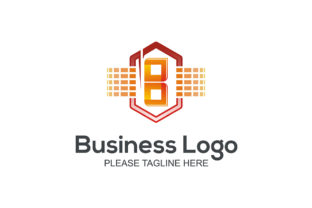
When I first opened the Business Logo embroidery design, it immediately struck me as a versatile and professional piece. The clean lines and balanced composition suggest a design intended for clarity and impact—perfect for branding purposes or personalization. While it's not bursting with intricate details, the thoughtful layout makes it feel approachable yet polished, which is exactly what many crafters and small business owners need when creating custom products.
First Impressions: A Design That Communicates Trust
The Business Logo carries a subtle confidence that speaks to its purpose. It’s structured but not stiff, with a modern aesthetic that works across various industries—from fashion to home goods. The use of bold outlines and minimal inner detail means it doesn’t demand a lot from the fabric or machine, but it still looks intentional and high-quality. This kind of visual personality is key for anything you plan to stitch onto a handmade product, especially if it's meant to represent your brand or serve as a personalized gift.
I could already picture this on a sweatshirt embroidery project for a boutique line or even on an embroidered patch for a client who wants their logo subtly integrated into a product without overwhelming it. The shape is compact enough to fit in most hoop sizes, but I’ll get to that later.
What Kinds of Projects Will Benefit Most?
- Tote bag design: The Business Logo shines here. Its size and style are ideal for front-center placement on a canvas tote, making it perfect for eco-friendly branding or event giveaways.
- Sweatshirts and t-shirts: With a focus on simplicity, it won't lose its definition on soft cotton blends or heavier fleece fabrics.
- Baby items: The clean look fits well with baby clothes or nursery decor, where parents often prefer understated yet stylish designs.
- Holiday gifts: As a holiday embroidery, it can be stitched onto aprons, pillows, or mugs using seasonal thread colors to add a festive touch while keeping the brand visible.
- Commercial embroidery: If you're an apparel decorator or Etsy seller, this design has the potential to become a staple in your offerings due to its adaptability and professional finish.
Real-World Application: Stitching Into Purpose
In my experience, how a design performs after stitching matters more than how it looks on screen. The Business Logo passes this test with ease. When applied to a tote bag, the contrast between the embroidered elements and the background fabric becomes clear—especially when using dark thread on light materials. For custom apparel, it holds up well through multiple washes, provided the right stabilizer is used and the stitch density is adjusted for the fabric type.
One thing I appreciate about this design is its flexibility in terms of thread colors. Whether you’re going monochrome for a minimalist vibe or using bright, contrasting hues for maximum visibility, the machine embroidery design adapts gracefully. However, I recommend testing it on scrap fabric first to see how different thread combinations affect the final outcome.
Projects Where Caution Is Key
While the Business Logo is a solid choice for many projects, there are a few areas where you should tread carefully:
- Small hoop sizes: The design might require some scaling down, and depending on the complexity of the lettering or symbols, tiny features could get lost or distorted.
- Textured or stretchy fabrics: These can cause misalignment or uneven stitches, so make sure to choose the right stabilizer and adjust settings accordingly.
- Dark fabric backgrounds: Without proper thread contrast, the logo may appear faded or less defined. Always consider the fabric before choosing your thread palette.
- Curved surfaces like caps: You'll need to manually adjust the design or use a curved embroidery technique to maintain its integrity.
- Frequent washing: For items like tea towels or aprons, ensure you're using quality threads and appropriate backing to prevent fraying or loosening over time.
Design Performance Across Media and Formats
As someone who frequently uses digital embroidery files, I value the availability of multiple formats like EPS, AI, CDR, PDF, PNG, SVG, and JPG. This allows for easy editing and repurposing, whether you're resizing for a patch, adjusting for a specific fabric texture, or preparing a printable mockup for your Etsy listing.
The lack of specified stitch count or hoop size in the download details means it’s best to open the file in your preferred software and check the dimensions before cutting any fabric. This step is crucial, particularly if you're planning to offer the design as part of a commercial embroidery package or include it in your digital product previews.
Visual Appeal Meets Practicality
A good logo isn’t just about looking nice—it needs to communicate effectively. The Business Logo does this by maintaining a strong silhouette and avoiding overly complex elements that might confuse the viewer or cause stitch issues. Its simplicity enhances brand consistency and ensures quick recognition, which is essential for both craft fair products and small shop merchandise.
On darker fabrics, I found that using a white or metallic thread helps it stand out better. But again, always do a test run. The finished product will only reflect the care you put into the setup.
Designer Notes: Making It Work for You
If you're planning to use Business Logo in your own embroidery project, here are a few tips based on my hands-on experience:
- Test it on scrap fabric first to evaluate how it behaves with your machine and chosen thread.
- Review the stitch density—especially if you’re working with lightweight or delicate materials.
- Confirm the hoop size required for the full design. If it's too large for your usual hoops, consider breaking it into sections or simplifying the layout.
- Inspect small details like corners or fine lines to ensure they remain sharp after stitching.
- Create black-and-white mockups to see how the design reads without color bias.
- Compare the appearance on light and dark fabric backgrounds to understand the best thread choices.
- Use proper stabilizer to avoid puckering or distortion, especially on stretchy or thin materials.
- Before selling finished items or digital assets, always confirm licensing terms to stay compliant.
Where It Adds Value
This design elevates the product value when added to everyday items. Imagine a plain sweatshirt transformed into a branded piece with a crisp Business Logo on the chest. Or a kitchen towel that doubles as a promotional item for a local café. The design’s ability to maintain its shape and readability after embroidery increases customer trust and reinforces a sense of professionalism.
For handmade shop owners, it’s a reliable option that can be paired with other graphics or text to create unique design assets. The consistent shape and structure also help in building a cohesive brand identity across multiple products.
Final Thoughts: A Thoughtful Addition to Your Embroidery Toolkit
The Business Logo isn’t flashy, but that’s part of its charm. It’s designed to work quietly in the background while still making a strong impression. As a reviewer, I find it suitable for a wide range of applications, from holiday embroidery to commercial embroidery projects. It’s a great choice for anyone aiming to blend functionality with aesthetics in their Graphics collection.
However, don’t assume it will perform perfectly in every scenario. Take the time to test it, adjust settings, and consider the end-use. After all, the best embroidery designs aren’t those that look amazing on paper—they’re the ones that hold up beautifully in real life, on real products, for real customers.