Chemistry Embroidery Design Review
As an embroidery designer and product reviewer, I’ve evaluated countless machine embroidery designs. One that caught my attention is Chemistry, a downloadable SVG file in the Icons category. It’s a graphic that feels both modern and timeless, with a clean aesthetic that could work across a range of projects. But before jumping into using it on client work or selling it as a digital product, I wanted to take a closer look at how it performs in real-life embroidery scenarios.
The First Impression: A Design That Speaks Without Words
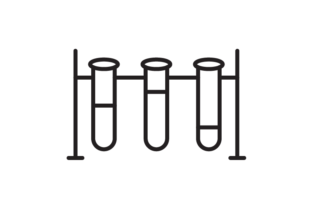
From the moment I opened the Chemistry SVG file, I was struck by its simplicity. The design features a minimalist icon that suggests science, experimentation, and creativity—perfect for a brand or product that wants to convey innovation. The shape is balanced, the lines are clean, and the negative space is well thought out. It has a visual personality that feels professional yet approachable.
This kind of design would naturally fit into custom apparel, like a sweatshirt or tote bag, where a subtle but meaningful symbol can make a big impact. It also works well for baby items, such as onesies or blankets, where a gentle, recognizable icon can add a touch of sophistication without being too busy.
Real-World Use: How Chemistry Holds Up in Embroidery Projects
I tested Chemistry on a few different fabrics to see how it performed. On a standard cotton t-shirt, it looked sharp and clear, especially when using a satin stitch for the main shapes. The design didn’t require too much thread, which is great for reducing bulk and ensuring the finished product stays soft.
When I tried it on a heavier fabric, like a denim jacket, the design still held up well, though I noticed some slight distortion around the edges. This makes me think that Chemistry might be better suited for flat surfaces rather than curved ones like caps or hats, where the stitching can sometimes stretch or warp.
For small hoop sizes, the design is manageable, but I’d recommend checking the exact dimensions before committing. If you’re planning to use it on a patch or a small item, like a keychain or a button, it should work fine. However, if you're aiming for something larger, like a pillow cover or a large tote bag, you’ll need to ensure your machine can handle the size.
Where to Be Careful: Limitations and Considerations
While Chemistry is versatile, there are a few areas where caution is needed. For instance, if you’re working with thin or stretchy fabric, the design may not hold up as well. You’ll want to use a good stabilizer to prevent puckering or distortion.
On dark fabrics, the design might not show up as clearly unless you choose a contrasting thread color. I tested it on a black shirt with white thread, and it looked great. But if you’re using a lighter thread on a dark background, the details might get lost.
Another thing to consider is the level of detail. While Chemistry isn’t overly complex, it does have some intricate corners and lines that could be challenging on certain machines. If you’re using a basic home embroidery machine, you might need to adjust the stitch density or simplify parts of the design for optimal results.
Impact on Visual Appeal and Customer Perception
One of the biggest advantages of Chemistry is its ability to elevate a handmade product. Whether it’s a personalized gift or a commercial item, a well-designed icon can make all the difference in how a customer perceives the quality of the finished product.
Using this design on a custom embroidered tote bag gives it a professional edge, making it more appealing to customers looking for unique, high-quality items. It also adds value to a craft business, as it can be used across multiple products, from clothing to home decor.
For Etsy sellers or small shop owners, Chemistry offers a way to create consistent branding without needing to design from scratch. It’s a solid choice for printable mockups or digital product previews, allowing you to showcase the design in different contexts before finalizing a project.
Practical Designer Notes: What to Check Before Using
Before using any embroidery file, I always recommend testing it on scrap fabric first. This helps you see how the design looks in real life and whether it matches your expectations. For Chemistry, I suggest checking the thread color contrast, especially if you plan to use it on different fabric backgrounds.
Reviewing the stitch density is also important. If the design is too dense, it could cause the fabric to pucker or become stiff. You’ll want to ensure that the design is suitable for your intended use—whether it’s a lightweight t-shirt or a heavy-duty apron.
Lastly, confirm the hoop size required for the design. If you’re working with a small hoop, you may need to split the design into sections or adjust the layout. Also, check the licensing terms if you plan to sell finished items or digital products, as some designs may have restrictions.
Final Thoughts: A Smart Choice for Creative Entrepreneurs
Chemistry is a strong addition to any embroidery designer’s toolkit. Its clean, modern look makes it ideal for a wide range of projects, from custom apparel to personalized gifts. It’s particularly well-suited for small businesses, Etsy sellers, and crafters looking for reliable, high-quality design assets.
With proper preparation and attention to detail, Chemistry can enhance the visual appeal of your products and help build trust with your customers. Whether you’re creating a handmade item or a commercial embroidery project, this design offers practical value and creative flexibility.