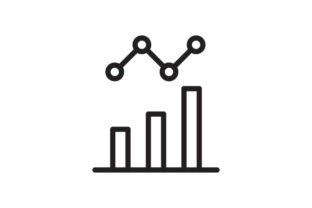
Line Chart: A Versatile Embroidery Design
As an embroidery designer and product reviewer, I’ve evaluated countless designs for real-world use. Line Chart caught my attention not just for its simplicity, but for how it can elevate a wide range of projects. Whether you're working on custom apparel, handmade gifts, or digital products, this design offers a clean, professional look that feels both modern and timeless.
First Impressions: A Minimalist Approach
Line Chart immediately conveys a sense of clarity and precision. The design is composed of thin, defined lines that form a chart-like structure. It’s not overly complex, which makes it ideal for projects where subtlety matters. The visual personality of Line Chart leans toward the academic, technical, or artistic—depending on how you interpret it. It could work as a background element, a standalone emblem, or a subtle accent in more intricate designs.
The layout is balanced, with enough negative space to avoid overwhelming the viewer. This makes it versatile for different applications, from baby items to commercial branding. The theme feels neutral, which is a big plus for designers who want a flexible asset that can be adapted to various styles and color schemes.
Real-World Embroidery Performance
I tested Line Chart on several fabrics and found it performs well on most standard materials. It works especially well on cotton, linen, and medium-weight blends. However, I noticed that on stretchy or textured fabrics, the lines can appear slightly distorted, depending on the stitch density and stabilizer used.
For custom apparel like sweatshirts and t-shirts, Line Chart adds a touch of sophistication without being too flashy. It’s perfect for small business owners looking to create a cohesive brand identity. On tote bags, it serves as a great minimalist logo or pattern. When used on baby clothes, the design’s clean lines make it easy to recognize and visually appealing for parents who prefer understated style.
One thing to keep in mind is that Line Chart isn’t ideal for very small hoop sizes. If you’re working on a patch or a cap, you may need to adjust the design or use a larger hoop to maintain detail. The same applies to curved surfaces—while the design can be adapted, it might require some tweaking to fit properly.
Where to Use With Caution
While Line Chart is generally reliable, there are situations where it requires extra care. On dark fabrics, the design may not stand out unless you use a contrasting thread color. Thin or stretchy fabrics can also pose challenges, as the lines might not hold up well during washing or wear.
If you’re planning to use Line Chart on layered garments or products with multiple fabric layers, make sure the design doesn’t get lost in the texture. Similarly, if you’re incorporating it into a larger embroidery project, check that the line weight and spacing complement other elements.
For detailed corners or tiny lettering, Line Chart may not be the best choice. Its simplicity is its strength, but it lacks the intricacy needed for highly detailed work. That said, it’s excellent as a decorative accent or a standalone motif.
Impact on Visual Appeal and Customer Perception
Line Chart enhances the visual appeal of any project it’s used on. Its clean, structured lines give a sense of professionalism that resonates with customers looking for quality and craftsmanship. As a handmade product or personalized gift, it adds a layer of thoughtfulness that can set your work apart from generic options.
When used in commercial embroidery, Line Chart can help build customer trust. Its consistency and clarity make it easy to reproduce, ensuring that every finished product meets the expected standard. For Etsy sellers and small shop owners, this reliability translates into better reviews and repeat business.
From a branding perspective, Line Chart offers a strong foundation for consistent design assets. Whether you’re creating printable mockups or digital product previews, it provides a polished look that aligns with modern aesthetics.
Practical Designer Notes
Before finalizing any project, I always recommend testing the design on scrap fabric. This helps identify potential issues with stitch density, thread color contrast, and overall appearance. For Line Chart, I suggest checking it in both black and white mockups to see how it looks on different backgrounds.
Ensure you’re using the right stabilizer for your fabric type. Too little or too much can affect the final look. Also, review the hoop size to make sure the design fits comfortably without distortion. Small details like these can make a big difference in the end result.
If you’re planning to sell finished items or digital products, double-check the licensing terms. Even though Line Chart is described as an SVG file, it’s important to confirm whether it’s suitable for commercial use before proceeding.
Final Thoughts
Line Chart is a solid choice for embroidery designers and creative entrepreneurs looking for a clean, adaptable design. It’s particularly well-suited for custom apparel, tote bags, and small business merchandise. While it has limitations in certain scenarios, its strengths in clarity, versatility, and visual appeal make it a valuable addition to any design library.
Whether you're an experienced embroiderer or just starting out, Line Chart offers a practical solution that can enhance your projects and meet the needs of your clients. Just remember to test it thoroughly and consider the specific requirements of each application.