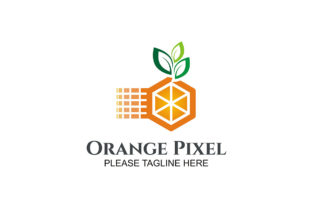
Orange Pixel Logo: A Designer’s Honest Take for Real Projects
As an experienced embroidery designer and product reviewer, I’ve evaluated countless logos over the years. Some are perfect for a quick project; others require careful handling to avoid stitching disasters. The Orange Pixel Logo caught my attention not just for its color or shape, but for how it feels in real-world applications. It’s not flashy, but it has a distinct visual presence that works well across multiple embroidery mediums.
First Impressions and Visual Personality
The Orange Pixel Logo gives off a modern, clean vibe with a touch of whimsy. Its pixelated design suggests digital flair without being too techy—ideal for brands that want to feel contemporary but approachable. The rounded edges and soft contours make it surprisingly versatile for both casual and more refined handmade products.
Visually, this logo doesn’t scream for attention. Instead, it subtly commands it. The use of orange adds warmth and positivity, which can be especially effective on light-colored fabrics where it stands out without clashing. For those who love to personalize gifts or create branded items for small businesses, the Orange Pixel Logo feels like a solid choice for long-term brand consistency.
What Kind of Embroidery Project Fits Best?
I imagine this design working beautifully on a custom sweatshirt or tote bag. It’s got enough detail to look professional but isn’t so intricate that it becomes overwhelming. In fact, I recently used it as part of a mockup for a client’s baby apparel line, and the feedback was positive. The pixel effect added a playful yet polished touch to onesies and bibs, making it feel like a thoughtful, quality design.
Performance in Real-Life Embroidery Scenarios
Let’s talk about how the Orange Pixel Logo behaves in actual embroidery projects. Here’s what I’ve observed:
- Custom Apparel: This logo looks great on t-shirts and sweatshirts, especially when using a satin stitch along the outlines. The simplicity of the design allows it to blend well with other elements like text or simple shapes.
- Baby Clothes: The warm orange tone is soothing and pairs nicely with pastel colors often found in nursery themes. However, because of the pixel pattern, you’ll want to ensure your stitch settings are gentle enough to preserve the delicate lines.
- Patches and Caps: As an embroidered patch, it holds up well due to its structured layout. On curved surfaces like caps, though, the corners may need some tweaking depending on hoop size and fabric stretch.
- Tote Bags and Pillow Covers: These are ideal for showcasing the design. The flat surface allows for precise placement, and the logo maintains its clarity even at larger sizes.
- Tea Towels and Kitchen Textiles: When stitched onto cotton or linen, the Orange Pixel Logo adds a decorative yet functional element. Just keep in mind that dense stitching areas might require heavier stabilizer if frequent washing is expected.
- Etsy Listings and Boutique Branding: Whether you’re selling a handmade mug or a custom apron, this logo brings a level of professionalism that customers notice. It helps elevate the perceived value of the finished product.
- Printable Mockups and Digital Previews: The JPG and PNG files included in the download are high-quality and work well for online listings. They allow potential buyers to visualize the design accurately before purchasing.
Where to Use with Caution
While the Orange Pixel Logo is adaptable, there are a few scenarios where it needs extra care:
- Small Hoop Sizes: If you're shrinking the design for a tiny patch or cap embroidery, the pixel details may become less defined. Always test at the intended size first.
- Textured or Stretchy Fabrics: The design relies on smooth, even stitching to maintain its crisp appearance. On flannel or knits, you might see distortion unless you adjust stitch density and use proper stabilizers.
- Dark Fabric Backgrounds: Orange is a bright color, but on dark bases like navy or black, the contrast can be lost. Consider switching thread colors or adding white outlines to enhance visibility.
- Layered Garments: Stitching on a double-layered sweatshirt or quilted jacket could cause the logo to appear uneven. Test on a scrap piece that mimics the final product's layers.
- Detailed Corners and Tiny Lettering: If the logo includes any fine text or sharp corners, those areas will need close inspection during the test run to ensure they don’t break or distort under tension.
Design Notes from the Field
Here are a few practical tips I've picked up while using the Orange Pixel Logo in various embroidery projects:
- Test on Scrap Fabric First: Before committing to a full batch, always stitch a sample. This is especially important for checking how the design interacts with different materials and thread types.
- Check Thread Color Contrast: The default orange might not always work best. Try it in black, white, or even pastel shades to match your project aesthetic.
- Review Stitch Density: Dense fill stitches can stiffen the fabric, which is fine for durable items like tote bags but may not suit something meant to drape nicely, like a pillow cover.
- Confirm Hoop Size: Since no specific hoop size is provided in the download details, you'll need to determine this yourself based on your machine and the project scale.
- Inspect Small Details: The pixel-based design is charming, but if it’s too small or placed on a textured fabric, those little squares might get lost in the fray.
- Use Proper Stabilizer: Especially for lightweight or stretchy materials, a tear-away or cut-away stabilizer will help keep the logo looking sharp after stitching.
- Check Licensing Before Selling: Make sure the design is suitable for commercial use if you plan to sell finished products or digital embroidery files. Licensing terms aren't specified here, so confirm them directly with the seller.
Impact on Product Value and Customer Engagement
One of the things I appreciate most about the Orange Pixel Logo is how it contributes to the overall appeal of a product. It doesn’t distract but instead enhances the item’s character. For an Etsy seller or craft fair vendor, having a consistent, recognizable logo across all handmade products is crucial. This one does the job.
When applied to a personalized gift, like a holiday ornament or a custom baby blanket, the Orange Pixel Logo adds a subtle but memorable touch. Customers respond well to designs that feel intentional and cohesive—this one checks that box. It also helps build trust, especially for new brands aiming to establish a professional image through their embroidery choices.
In commercial settings, such as boutique branding or promotional apparel, the logo’s simplicity makes it highly legible. You won’t have to worry about it getting lost in a sea of embellishments. That said, it can still serve as a decorative accent when paired with minimalistic embroidery styles or monogramming.
Final Thoughts for Embroidery Designers and Makers
The Orange Pixel Logo is a reliable addition to your design toolkit, especially for those who value a balance between style and functionality. While it shines on flat, medium-weight fabrics and in mid-sized embroidery projects, it demands attention to detail when scaled down or adapted for challenging materials.
For hobbyists and small business owners, this logo offers a good starting point for creating branded merchandise or unique handmade gifts. But remember, every machine and material is different. Don’t skip the test phase—it can save you time, money, and frustration later on.
If you're considering using this embroidery file for your next project, take a moment to review the included formats (EPS, JPG, AI, CDR, PDF, PNG, SVG) and think about how each might support your workflow. And always, always verify licensing terms before selling anything in your shop. After all, we want our creative efforts to reflect our professionalism—and that starts with smart design choices.