Biology Embroidery Design
As an embroidery designer and product reviewer, I often find myself evaluating digital files for their real-world usability. The Biology design, part of the Icons category under Graphics, offers a unique blend of scientific symbolism and artistic appeal. Its clean lines and structured layout make it ideal for a variety of projects, but like any design, it requires careful consideration before use.
First Impressions: A Design with Purpose
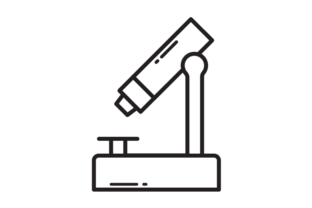
The Biology design immediately conveys a sense of precision and intellectual curiosity. Its icon-like structure is minimalist yet informative, featuring elements that suggest molecular structures, cells, or biological diagrams. The layout is balanced, with clear visual hierarchy that makes it easy to recognize even at smaller sizes.
This design feels most at home in projects that require a touch of sophistication or a subtle nod to science. It’s not overly complex, which makes it versatile, but it also has enough detail to stand out on its own. Whether used as a standalone emblem or incorporated into a larger composition, Biology has a visual personality that leans toward professionalism and creativity.
Real-World Use Cases: Where Biology Fits Best
Imagine you’re working on a custom embroidered tote bag for a science-themed boutique. The Biology design could be the perfect focal point, adding a unique flair that appeals to both educators and enthusiasts. It would work well on a sweatshirt for a university or a baby onesie with a playful twist.
For small business owners and Etsy sellers, this design could be a valuable addition to a collection of science-inspired graphics. It’s suitable for personalized gifts, such as embroidered patches for jackets or aprons, and can be used in printable mockups to showcase how the design will look on different fabrics and garments.
In commercial embroidery projects, Biology could serve as a decorative element in branded merchandise, especially for companies in the health, education, or tech sectors. Its simplicity allows it to be adapted across various mediums without losing its identity.
Challenges and Considerations: When to Be Cautious
While Biology is visually appealing, it’s important to consider its limitations. For instance, when using it in small hoop sizes, the design may lose some of its clarity. If you're working on a cap or a hat, where the fabric is curved and the space is limited, the details might not translate as smoothly.
On textured or stretchy fabrics, the design could appear distorted or less defined. Thin or dark fabrics may also pose challenges, especially if the thread color doesn’t contrast well. In such cases, testing the design on scrap fabric first is crucial to ensure it looks as intended.
When working with dense stitch areas or intricate corners, the design may require additional attention to maintain its shape and definition. Tiny lettering or fine details could be lost if the stitch density isn’t adjusted properly. This is particularly important for handmade products where precision matters.
Impact on Visual Appeal and Customer Perception
The right embroidery design can elevate a product from ordinary to extraordinary. Biology adds a layer of meaning and aesthetic value that can enhance the perceived quality of a finished product. Customers often appreciate designs that are thoughtful and meaningful, which can increase the likelihood of repeat purchases and word-of-mouth referrals.
For craft businesses and Etsy sellers, a well-chosen design like Biology can help build brand consistency and recognition. It creates a sense of professionalism that resonates with buyers looking for high-quality, handmade items. When used effectively, it can also improve buyer engagement by offering something unique and memorable.
Practical Designer Notes: What to Check Before Using
Before incorporating Biology into your project, there are several key steps to take:
- Test on scrap fabric: Ensure the design looks good on the material you plan to use.
- Check thread color contrast: Make sure the chosen thread complements the fabric and enhances the design.
- Review stitch density: Adjust as needed to maintain clarity, especially in detailed areas.
- Confirm hoop size: Verify that the design fits within your machine’s capabilities.
- Inspect small details: Look closely at corners, curves, and text to ensure they’re well-defined.
- Test in black and white mockups: See how the design appears without color to understand its form and structure.
- Compare light and dark backgrounds: Determine how the design performs on different fabric colors.
- Use proper stabilizer: Prevent puckering or distortion, especially on delicate or stretchy materials.
- Verify licensing: Confirm whether the design can be used for commercial or personal projects.
By following these steps, you can ensure that Biology meets your expectations and delivers the results you want for your embroidery project.
Final Thoughts: A Design Worth Exploring
The Biology embroidery design is a solid choice for those looking to add a scientific or educational theme to their work. It’s practical, adaptable, and visually engaging, making it suitable for a wide range of applications. However, like any design, it requires thoughtful application to achieve the best results.
Whether you're an experienced embroiderer or just starting out, taking the time to evaluate and test the design can make all the difference. With the right approach, Biology can become a valuable asset in your creative toolkit, helping you create beautiful, meaningful, and professional-looking finished products.