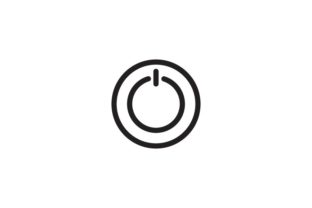
Power Button Embroidery Design
First Impressions of Power Button
The Power Button design immediately catches the eye with its bold, modern aesthetic. The clean lines and minimalist shape make it a versatile icon that can fit into a wide range of embroidery projects. Its simple yet effective layout suggests a design meant for clarity and impact rather than intricate detail. This makes it ideal for use in custom apparel, baby items, or small shop merchandise where visual recognition is key.
What Kind of Projects Does It Fit?
Power Button feels like it belongs on a sweatshirt, tote bag, or apron—items that are both functional and visually appealing. It’s also well-suited for embroidered patches, which often require a design that stands out without being overly complex. The design’s straightforward nature means it can be adapted to various fabric types and project sizes, making it a go-to choice for many embroidery designers and craft business owners.
Real-Life Use Case: Custom Tote Bag Project
Imagine you’re working on a custom tote bag for a client who wants something modern and eye-catching. Power Button could be the perfect addition. When stitched onto a cotton canvas tote, the design maintains its sharp edges and clear form. It doesn’t get lost in the fabric, and the simplicity of the icon ensures it remains visible even after multiple washes.
How Power Button Performs in Real Embroidery Situations
In practice, Power Button works well on most standard fabrics. Its low stitch density makes it suitable for lightweight materials, and it doesn’t require excessive stabilizer. However, when using it on stretchy or thin fabrics, extra care is needed to prevent puckering or distortion. For thick or textured materials, the design may need some adjustments to ensure the stitches sit flat and don’t catch on the fabric surface.
On dark fabrics, Power Button benefits from a contrasting thread color. A bright white or light gray thread can make the design pop, while on lighter backgrounds, a darker thread color might be more appropriate. Testing the design on different fabric colors is essential to determine the best visual outcome.
Where to Be Cautious With Power Button
While Power Button is generally easy to work with, there are situations where it may not perform as well. In small hoop sizes, the design might feel cramped, especially if the user is trying to include additional text or details. On curved surfaces like caps or hats, the design’s straight lines can appear slightly distorted if not properly aligned during stitching.
For detailed corners or tiny lettering, Power Button may not be the best choice. Its simplicity is its strength, but it lacks the intricacy needed for highly detailed embroidery. If the goal is to create an applique design or one with layered elements, this icon may not be the right fit.
Impact on Visual Appeal and Customer Perception
Power Button adds a professional touch to any finished product. Its clean look enhances the overall appearance of custom apparel, making it a strong choice for handmade products or personalized gifts. Customers often appreciate the modern, tech-inspired aesthetic, which can make a product stand out in a crowded market.
When used in commercial embroidery projects, Power Button contributes to brand consistency. Its universal design makes it adaptable across different product types, helping to maintain a cohesive look for a small shop or Etsy seller. It also boosts buyer engagement by offering a unique, recognizable element that can be easily incorporated into various designs.
Practical Notes for Embroidery Designers
Before finalizing any project with Power Button, it’s wise to test the design on scrap fabric. This helps identify any potential issues with stitch density, thread color contrast, or fabric compatibility. Checking how the design looks in black and white mockups can also reveal how it will appear on different fabric backgrounds.
Using the correct stabilizer is crucial, especially when working with delicate or stretchy fabrics. Ensuring the design is properly hooped and that the stitch density is appropriate for the fabric type will help avoid common embroidery pitfalls. For commercial use, always confirm the licensing terms before selling finished items or digital products.
Best Uses for Power Button
Power Button shines in applications where simplicity and clarity are important. It’s ideal for tote bag designs, sweatshirt embroidery, and baby items that need to be both functional and stylish. As a printable mockup, it can be used to showcase how the design would look on different products, making it a valuable asset for digital product sellers and craft businesses.
Whether you're creating a holiday gift, a boutique product, or a small shop merchandise item, Power Button offers a reliable and versatile option. Its clean, modern style makes it easy to integrate into a wide range of embroidery projects, from personal use to commercial production.
Final Thoughts on Power Button
Overall, Power Button is a solid machine embroidery design that delivers on its promise of simplicity and clarity. It’s well-suited for a variety of embroidery projects and can enhance the visual appeal of handmade products, personalized gifts, and commercial embroidery work. With proper testing and consideration for fabric type and stitch settings, it can be a valuable addition to any designer’s toolkit.