History Embroidery Design
First Impressions of History
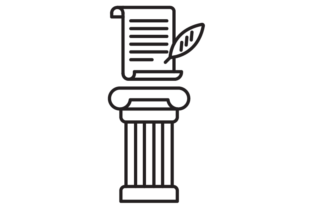
The History embroidery design immediately evokes a sense of timeless storytelling. Its clean lines and structured layout suggest a classic, elegant aesthetic that feels both nostalgic and modern. The theme is subtle yet powerful, making it ideal for projects that aim to convey legacy, heritage, or historical significance.
The shape and composition are balanced, with enough detail to stand out without overwhelming the viewer. It’s not overly intricate, which makes it versatile for various applications. The visual personality leans toward sophistication, perfect for custom apparel, baby items, or holiday gifts where a touch of class is desired.
Real-Life Use Cases for History
Imagine preparing a custom embroidered tote bag for a client who wants something meaningful for their boutique. History would fit well as a central motif, adding a unique touch that speaks to the brand's identity. It could also work as a sweatshirt embroidery, offering a refined look that stands out in a crowded market.
For baby items, the design’s simplicity and clarity make it an excellent choice for onesies, blankets, or burp cloths. The clean lines ensure it remains visible and recognizable even on delicate fabrics. As a patch, it could be used on jackets, backpacks, or aprons, giving a handmade feel to everyday wear.
On pillow covers or kitchen towels, History adds a subtle yet intentional design element. It’s not too bold, so it complements other patterns without clashing. For holiday gifts or wedding gifts, the design offers a personal and thoughtful touch that can be easily customized with different thread colors.
Performance in Different Embroidery Projects
When used in custom apparel, such as t-shirts or sweatshirts, History holds up well. The stitch density is moderate, allowing for clear definition without excessive bulk. It works best on medium-weight fabrics, where the details remain sharp and the stitches lay flat.
On baby clothes, the design is safe and suitable. The lack of small, sharp corners reduces the risk of snagging, and the overall size is appropriate for little garments. As a patch, it maintains its integrity when sewn onto thicker materials like denim or canvas.
For products that require frequent washing, such as tea towels or aprons, the design remains durable. However, it’s important to use the right stabilizer and proper hoop size to prevent distortion. On stretchy or textured fabrics, the design may require extra attention to maintain its shape and clarity.
Where to Use History Carefully
History may not be the best choice for small hoop sizes. The design’s scale and detail could become lost if the hoop is too tight, leading to a less defined final product. Similarly, on thin or stretchy fabrics, the stitching might not hold as well, requiring additional stabilizer support.
When working with dark fabric, the contrast between the design and the background becomes crucial. If the thread color isn’t sufficiently bright, the design may appear dull or washed out. Testing on a scrap piece of fabric before committing to a project is always a good idea.
On curved surfaces like caps or hats, the design might require slight adjustments to ensure it sits correctly. Tiny lettering or detailed corners could be challenging, especially if the machine has limitations in precision. For layered garments or decorative accents, the design’s simplicity helps it blend seamlessly without overpowering the overall look.
Impact on Visual Appeal and Customer Perception
History enhances the visual appeal of any project it’s used on. Its clean, structured design adds a professional touch, making it ideal for handmade products or personalized gifts. Customers often appreciate the effort and thought behind a design that feels intentional and meaningful.
In terms of product value, the design elevates the finished product, making it more desirable for small shop merchandise or Etsy listings. It contributes to a sense of craftsmanship and quality, which can increase customer trust and encourage repeat business.
For brand consistency, History offers a reliable and recognizable element that can be used across multiple products. Whether it’s a printable mockup or a digital product preview, the design maintains its integrity and aligns with a cohesive aesthetic.
Practical Tips for Embroidery Designers
Before using History in a project, test it on scrap fabric to see how it looks in different thread colors and fabric textures. Check the stitch density to ensure it matches the project’s requirements. Confirm the hoop size needed to accommodate the design without distorting the details.
Inspect small details closely, especially if the design includes any text or intricate elements. Test it in black and white mockups to see how it translates on various backgrounds. Compare its appearance on light and dark fabrics to determine the best thread color options.
Use the proper stabilizer for the fabric type to prevent puckering or shifting during stitching. Ensure the design works for both personal and commercial projects, and always confirm the licensing terms before selling finished items or digital products.
Conclusion: Is History Worth Using?
History is a versatile and well-crafted embroidery design that fits a wide range of projects. Its elegant style and clean execution make it a strong choice for custom apparel, baby items, holiday gifts, and small business merchandise. With proper care and testing, it can elevate any handmade product or commercial embroidery project.
Whether you’re an Etsy seller, a craft business owner, or a creative entrepreneur, History offers practical value and visual appeal. It’s a design that encourages thoughtful use and careful execution, ensuring that every finished product reflects the quality and intention behind the work.