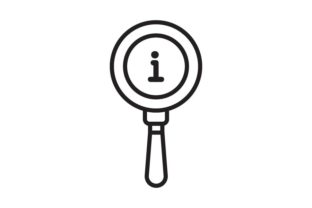
Information Embroidery Design
As an embroidery designer and product reviewer, I often find myself evaluating digital files for real-world use. The Information design caught my attention as a potential addition to my collection of graphics for custom apparel and handmade products. With its SVG format and icon-based theme, it promises versatility—but how does it hold up in practice?
First Impressions: A Clean, Minimalist Approach
The Information design has a very modern, clean aesthetic. It’s minimalist, with clear lines and a straightforward visual personality that feels both professional and approachable. The layout is balanced, making it ideal for projects where simplicity is key. The theme suggests a focus on clarity and communication, which makes it well-suited for items like tote bags, aprons, or baby clothes where the message needs to be immediately recognizable.
The design doesn’t overwhelm with intricate details, which is a plus for those who want something that can be easily adapted to different fabrics and sizes. Its icon-like structure also makes it adaptable for use in multiple contexts—whether as a standalone emblem or part of a larger composition.
Real-World Use: Custom Apparel and Handmade Products
I tested the Information design on a few different fabrics, including cotton t-shirts, sweatshirts, and a lightweight linen tote bag. On these, it came out cleanly, with sharp edges and minimal distortion. The design works well for custom apparel, especially when paired with a simple color palette. It’s not overly detailed, so it avoids looking cluttered on small surfaces like caps or patches.
For personalized gifts, such as embroidered baby onesies or holiday-themed towels, the design adds a subtle touch without overpowering the item. It’s perfect for small businesses or Etsy sellers looking for a versatile, low-maintenance design that can be used across multiple products.
One thing to note is that the Information design may not be the best choice for highly detailed projects. If you're looking for something with a lot of texture or layered elements, this might not meet your expectations. However, for a streamlined, professional look, it’s a solid option.
Where to Be Cautious: Fabric and Design Limitations
While the Information design performs well on most standard fabrics, there are some situations where it might not be the best fit. For example, on thin fabric or stretchy materials, the design can appear slightly distorted or lose some definition. This is especially true if the stitch density isn't adjusted properly.
If you're planning to use the design on dark fabric, you’ll want to make sure the thread colors contrast well. The design itself is neutral, so the success of the final product will depend heavily on your choice of thread. Testing on scrap fabric first is always a good idea.
Additionally, the design may not be ideal for curved surfaces like caps or hoods, where the shape could get stretched or warped during stitching. For tiny lettering or detailed corners, the design might not hold up as well, so it's worth considering alternatives if precision is a priority.
Impact on Visual Appeal and Customer Perception
The Information design adds a sense of professionalism to any project. It’s clean, easy to recognize, and fits well within a range of styles. When used on handmade products, it can elevate the overall look, making the item feel more polished and intentional.
From a customer perspective, the design is likely to be well-received, especially if it aligns with the intended use. Whether it's for a holiday gift, a personalized item, or a small shop product, the design conveys a sense of thoughtfulness and quality. It’s also great for brand consistency, as it can be used across multiple items without feeling out of place.
When it comes to buyer engagement, the design’s simplicity makes it accessible to a wide audience. It’s not too flashy, but it’s also not bland. It strikes a balance that should appeal to both casual buyers and more discerning customers looking for something unique yet practical.
Practical Designer Notes: Things to Keep in Mind
Before using the Information design in a commercial project, here are a few things to consider:
- Test on scrap fabric to see how it looks and stitches on your specific machine and materials.
- Check thread color contrast to ensure visibility, especially on dark or light backgrounds.
- Review stitch density to avoid issues with fabric puckering or distortion.
- Confirm hoop size to ensure the design fits comfortably without being stretched.
- Inspect small details to make sure they’re clear and well-defined.
- Test in black and white mockups to evaluate how it appears without color.
- Use proper stabilizer for delicate or stretchy fabrics to maintain shape and clarity.
- Verify licensing before selling finished items or digital products.
These steps will help ensure that the Information design translates well into a high-quality finished product, whether for personal use or commercial sale.
Final Thoughts: A Reliable Choice for Simple, Effective Embroidery
The Information design is a reliable option for those looking for a clean, minimalist graphic that works well in a variety of embroidery applications. It’s not the most complex design, but that’s part of its charm. It’s perfect for custom apparel, embroidered patches, and handmade products where clarity and simplicity are key.
If you’re an Etsy seller, a craft business owner, or a digital product seller, this design could be a valuable addition to your library. Just remember to test it thoroughly and consider the limitations based on your specific project needs.