Coal: A Bold Embroidery Design
As an embroidery designer and product reviewer, I’ve seen countless designs come and go. But when I first opened the Coal file, I knew it had potential. This is more than just an icon—it’s a design that could elevate a wide range of projects. Let’s break down what makes Coal stand out, how it performs in real use, and where it might fall short.
The First Impression: Mood and Visual Personality
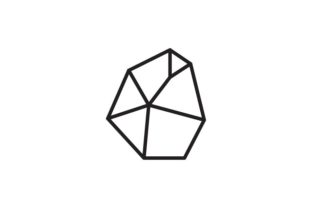
Coal has a strong, minimalist vibe. The shape is clean, with a subtle depth that suggests texture without being overly complicated. It feels like a modern icon, perfect for brands or products that want to convey simplicity and strength. The layout is balanced, making it versatile enough for both small and larger applications.
This design would naturally fit into projects that require a touch of sophistication. Think of it on a custom embroidered tote bag, a sweatshirt, or even a baby onesie. Its visual personality leans toward professional and polished, which makes it ideal for handmade products that aim to stand out in a crowded market.
Real-Life Use Cases: Where Does Coal Shine?
When considering Coal for real-world embroidery, it works best on flat surfaces like t-shirts, tote bags, and aprons. The design doesn’t have too many intricate details, so it’s less likely to get lost in complex fabric textures. For example, if you’re creating a custom sweatshirt for a boutique shop, Coal could be a great focal point.
It also shines as an applique design or in satin stitch applications. The lines are clear and well-defined, which helps maintain visual clarity even at smaller sizes. If you’re planning to sell it as a digital product, this design could be a solid addition to your library of embroidery file assets.
For personalized gifts, like a holiday ornament or a custom pillow, Coal adds a unique touch without overwhelming the overall look. It’s also a good choice for custom apparel that needs to be both stylish and functional.
Where to Be Careful: Limitations and Considerations
While Coal is a strong design, it’s not without its limitations. On small hoop sizes, some of the finer details may become less visible. If you're working with a tight hoop, you might need to adjust the design slightly to ensure it still looks good after stitching.
On textured fabrics or thin, stretchy materials, the design could lose some definition. It’s important to test it on scrap fabric before committing to a full project. Similarly, on dark fabric, the contrast might not be as strong unless you use a lighter thread color.
If you’re planning to use Coal on a curved surface, like a cap or a hat, you’ll need to make sure the design isn’t too dense. Too much stitch density can cause the fabric to pucker or the design to look uneven.
Impact on Visual Appeal and Customer Perception
One of the biggest strengths of Coal is how it enhances the visual appeal of any project. It adds a level of professionalism that customers often associate with quality. When used on a handmade product or a personalized gift, it can significantly boost the perceived value.
Customers tend to notice when a design is well thought out. Coal offers a balance between detail and simplicity, making it a safe but effective choice for brand consistency. Whether you’re an Etsy seller or a small shop owner, using a design like this can help build trust with your audience.
It also plays well in printable mockups and digital product previews. If you're creating a digital embroidery file for sale, Coal could be a valuable addition to your collection.
Practical Designer Notes: How to Get the Best Results
Before using Coal in a project, always test the design on scrap fabric. This will help you see how it looks in real life and whether any adjustments are needed. Check the thread color contrast—especially if you plan to use it on dark or light backgrounds.
Review the stitch density to make sure it’s appropriate for the fabric you’re using. If you're working with a thin fabric, you might need to reduce the density to avoid puckering. Confirm the hoop size required for the design, and don’t forget to use the right stabilizer for your project.
Inspect the small details closely. Even though Coal is minimalistic, some areas might need attention. Test it in black and white mockups to see how it looks without color. Compare it against both light and dark fabric backgrounds to ensure it’s versatile.
Finally, make sure the design works for both personal and commercial projects. Check the licensing terms before selling finished items or digital products. If you’re unsure, reach out to the seller for clarification.
Final Thoughts: Is Coal Worth Your Time?
Coal is a solid design that offers a lot of flexibility. It’s not the most complex icon, but it’s well-crafted and suitable for a variety of embroidery projects. Whether you're an apparel decorator, a craft business owner, or a creative entrepreneur, this design could be a valuable addition to your toolkit.
It’s practical, professional, and easy to work with. Just remember to test it thoroughly and consider the fabric and project type before finalizing your design. With the right approach, Coal can turn into a standout piece that your customers will love.