Dna: A Bold, Modern Embroidery Design
As an embroidery designer and product reviewer, I’ve seen countless designs come and go. But Dna stands out for its clean lines, modern aesthetic, and versatility across a range of projects. This SVG download offers a unique icon that can be adapted to various uses, from custom apparel to digital product previews. Let’s dive into how Dna performs in real-world embroidery scenarios and what it brings to the table for designers and small business owners.
The First Impression: Clean, Minimal, and Memorable
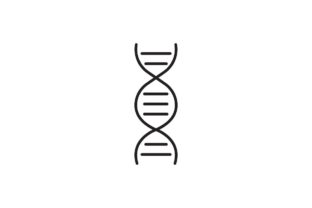
From the moment I opened the Dna file, I was struck by its simplicity. The design features sharp, geometric shapes that evoke a sense of modernity and precision. It’s not overly complex, but it has enough detail to make an impact without overwhelming the eye. The layout is balanced, with a clear focal point that makes it easy to incorporate into different types of embroidery projects.
This design feels like it belongs in a tech-forward or minimalist-themed collection. It could work well as a logo for a creative brand, a decorative element on a tote bag, or even as part of a baby item like a onesie or blanket. Its visual personality is bold yet elegant, making it suitable for both casual and more refined applications.
Real-World Use Cases: Where Dna Shines
One of the first projects I thought of when reviewing Dna was a custom embroidered tote bag. The design’s clean lines would look great on a cotton canvas, especially if paired with a contrasting thread color. It’s also ideal for sweatshirt embroidery, where the design can stand out without being too busy. For small business owners, this could be a strong selling point for Etsy listings or craft fair booths.
Another scenario where Dna excels is in baby items. Its simple shape makes it easy to read and visually appealing for nursery decor, onesies, or blankets. It could also serve as a subtle yet meaningful design for a personalized gift, such as a holiday ornament or a custom pillow cover.
For commercial embroidery projects, Dna offers flexibility. It can be used as an applique design, a satin stitch accent, or even as part of a fill stitch pattern. The design’s structure allows for easy scaling, making it adaptable to different sizes and applications.
Where to Be Cautious: Limitations and Considerations
While Dna is a strong design, there are some situations where it may not perform as well. For instance, on small hoop sizes, the design might feel cramped or lose some of its clarity. If you’re working with textured fabrics or thin materials, you may need to adjust your stabilizer setup to ensure the design holds up during stitching.
On dark fabrics, the design’s contrast can be a challenge. Depending on the thread color you choose, it might not pop as much as desired. Testing on scrap fabric before committing to a project is always a good idea. Similarly, on stretchy or curved surfaces like caps, the design might require extra attention to prevent distortion.
For projects that involve frequent washing, such as baby clothes or kitchen towels, it’s important to ensure the design is securely stitched and properly stabilized. Dna’s detail level is low enough that it shouldn’t cause issues with dense stitch areas, but it’s still worth checking for any potential weaknesses.
Impact on Visual Appeal and Customer Perception
Dna adds a professional touch to any embroidery project. Its clean lines and modern feel can elevate the overall look of a handmade product, making it more attractive to buyers. For small shop owners and Etsy sellers, this design can help differentiate their offerings in a crowded market.
When used effectively, Dna can enhance the value of a finished product. Customers often associate well-designed embroidery with quality and care, which can lead to higher satisfaction and repeat purchases. It also contributes to brand consistency, especially if it’s used across multiple product lines or marketing materials.
From a customer engagement perspective, Dna is versatile enough to appeal to a wide audience. Whether it’s for a personalized gift, a holiday item, or a boutique product, the design’s simplicity makes it easy to integrate into various themes and styles.
Practical Designer Notes: What to Check Before Using Dna
Before using Dna in your own projects, there are a few key steps to take. First, test the design on scrap fabric to see how it looks in different thread colors and fabric textures. This will help you determine the best combination for your specific application.
Check the stitch density to ensure it’s appropriate for your project. While Dna isn’t overly detailed, it’s still important to avoid overworking the fabric, especially on delicate or stretchy materials. Confirm the hoop size required for the design and make sure your machine can accommodate it.
Inspect the design for any small details that might be lost during stitching. If you’re planning to use Dna for commercial purposes, review the licensing terms carefully to ensure you’re compliant. Also, consider how it will look in black and white mockups, as this can affect how it appears in digital product previews or printable assets.
Final Thoughts: A Versatile Design for Creative Entrepreneurs
Dna is a solid choice for embroidery designers, small business owners, and crafters looking for a clean, modern icon that can be used across a variety of projects. Its simplicity and adaptability make it a valuable addition to any design library, whether you’re creating custom apparel, personalized gifts, or digital product assets.
With proper testing and consideration, Dna can be a reliable and effective embroidery design that enhances the quality and appeal of your finished products. Whether you’re an experienced embroiderer or just starting out, this design offers practical value and creative potential that’s hard to ignore.